

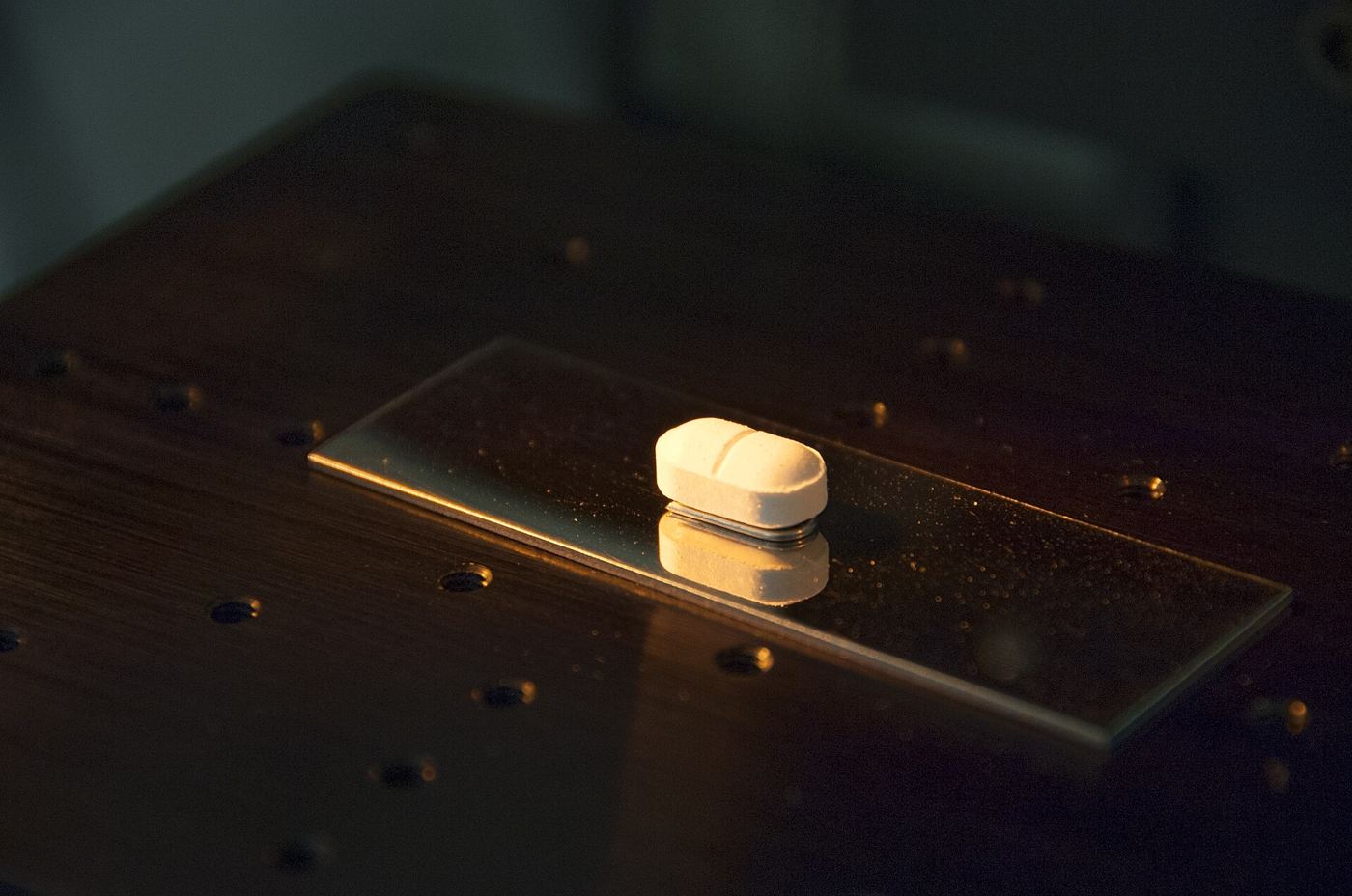
The company built to turn Google DeepMind’s AlphaFold into medicines is approaching its biggest test. Isomorphic Labs, founded in 2021 by DeepMind chief Demis Hassabis, uses AI to design drug molecules from scratch, predicting how a candidate will bind to its target protein before it is ever made in a laboratory. Its best-known tool is AlphaFold 3, published in Nature in May 2024, which predicts the structure of proteins and their complexes with DNA, RNA and small molecules. In July 2025 the company’s president said it was staffing up and getting very close to its first human clinical trials, and Hassabis said at Davos in January 2026 that the first trials of its oncology and immunology candidates were expected by the end of 2026. The candidates are designed entirely by machine learning, a first for a drug company built around a single AI system.
What the Evidence Shows
The timeline has already slipped once: Hassabis had earlier said AI-designed drugs would be in trials by the end of 2025, and as of November 2026 no patient had yet been dosed and the company had not publicly named a drug candidate. That caution is understandable, because no AI-designed drug from any company has yet been approved, and the largest cause of clinical failure is lack of efficacy, which better structure predictions do not directly fix. Even so, investors are betting heavily on the idea: Isomorphic raised 2.1 billion dollars in a Series B round in May 2026 and was reported to be in funding talks at a valuation of at least 40 billion dollars. Whether a molecule designed by AI can become a medicine is now a question that human trials will answer. Reporting and analysis from sources such as Wired track the same developments, and specialists following AI-designed drugs first trials say the direction is now consistent across independent lines of evidence.
The Wider Context
The wider context is an industry learning to ship capability and restraint together. Products built around AI-designed drugs first trials now launch with safety evaluations, usage data and rollback plans as standard, because enterprise buyers and regulators ask for them in the first meeting. Companies that treated those questions as friction are discovering they have become the purchase criteria.
What Happens Next
What happens next for AI-designed drugs first trials depends less on another breakthrough than on the unglamorous work of reliability, pricing and support. The buyers evaluating it now are not enthusiasts; they are operators with budgets and auditors, and their checklists will decide the timeline. On the evidence of the current pilots, the technology has earned the right to be judged by them. You can follow related developments in our coverage of technology.
None of this will be settled by a single announcement, study or product launch. The pattern to watch is accumulation: independent confirmations, honest reporting of failures and steady improvement in the underlying numbers. Readers who follow those signals, rather than the loudest claim of the week, will understand this subject better than most of the commentary surrounding it suggests is possible.
