

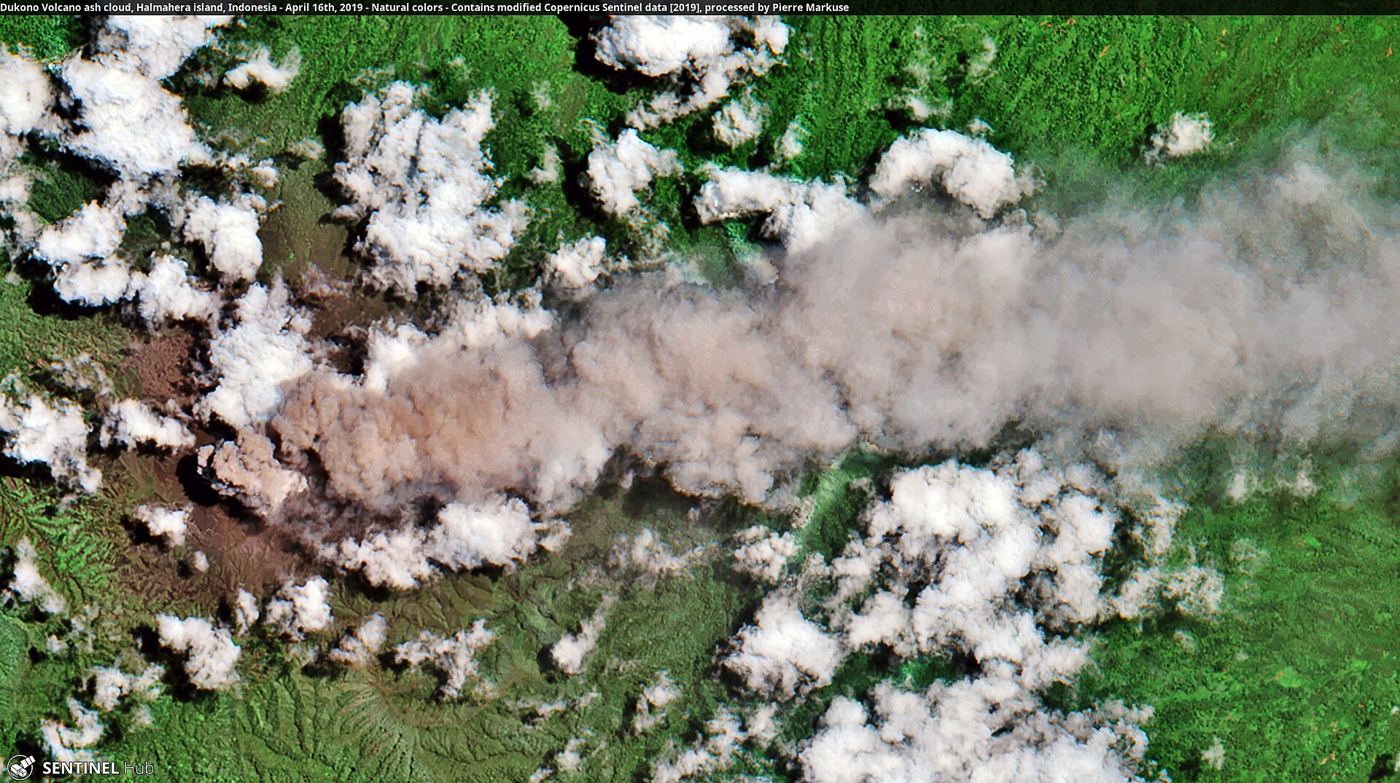
When a volcano erupts over the ocean, the ash that darkens the sky may also feed life in the water below. Marine scientists tracking recent eruptions with satellites and research vessels have documented phytoplankton blooms appearing in ash fall zones within days, apparently nourished by iron and other trace elements leached from the ash particles. Iron is the limiting nutrient across vast stretches of the open ocean, where microscopic algae form the base of food webs and draw carbon dioxide from the atmosphere as they grow. Natural fertilisation by ash offers researchers a rare experiment they could never ethically perform at scale, revealing how quickly ocean ecosystems respond when the missing ingredient suddenly arrives. The blooms can be enormous, visible from orbit and rich enough to attract fish and seabirds, yet they are also temporary, fading as the iron is consumed, sinks or is carried away by currents into the deep ocean.
What the Evidence Shows
Understanding these events has become more urgent as proposals circulate to fertilise oceans deliberately as a climate intervention. Volcanic episodes provide the evidence base for judging such schemes, and the lessons so far counsel caution: carbon stored by a bloom depends on how much sinks to depth rather than being recycled at the surface, and the ecological side effects, from oxygen depletion to shifts in species composition, are difficult to predict. Geochemists are refining methods to fingerprint ash-derived iron in seawater and sediments, distinguishing it from dust blown off deserts, the ocean’s other major iron source. Eruption frequency adds another variable, because clusters of large eruptions in the past may have nudged global climate by stimulating ocean productivity over years. For now, the research ships that race to meet ash clouds are building a dataset that connects geology, chemistry and biology in one of the planet’s great nutrient cycles, with implications researchers are only beginning to map. Reporting and analysis from sources such as NASA track the same developments, and specialists following volcanic ash iron fertilisation of oceans say the direction is now consistent across independent lines of evidence.
The Wider Context
Funding bodies are watching volcanic ash iron fertilisation of oceans closely because the work sits at the junction of basic curiosity and practical return. Grant panels increasingly ask for a path from discovery to application, while researchers push back that the most valuable uses of fundamental science are rarely the ones written into the original proposal. The tension is productive when both sides stay honest about timescales.
What Happens Next
The long view on volcanic ash iron fertilisation of oceans is that fields advance by accumulation rather than by single announcements. This result adds a solid, checkable piece to a structure many teams are building, and its authors have shared their data so the piece can be tested from every side. That is how the picture eventually becomes reliable enough to act on. You can follow related developments in our coverage of science.
It is also worth remembering how quickly the picture in this area has changed before. Positions that looked settled a few years ago have been revised as new data arrived, and the same humility is appropriate now. The strongest coverage of this subject, and the most useful advice, tends to come from sources that update their views openly when the facts move, rather than defending an earlier position long after it has stopped fitting the evidence available.
