

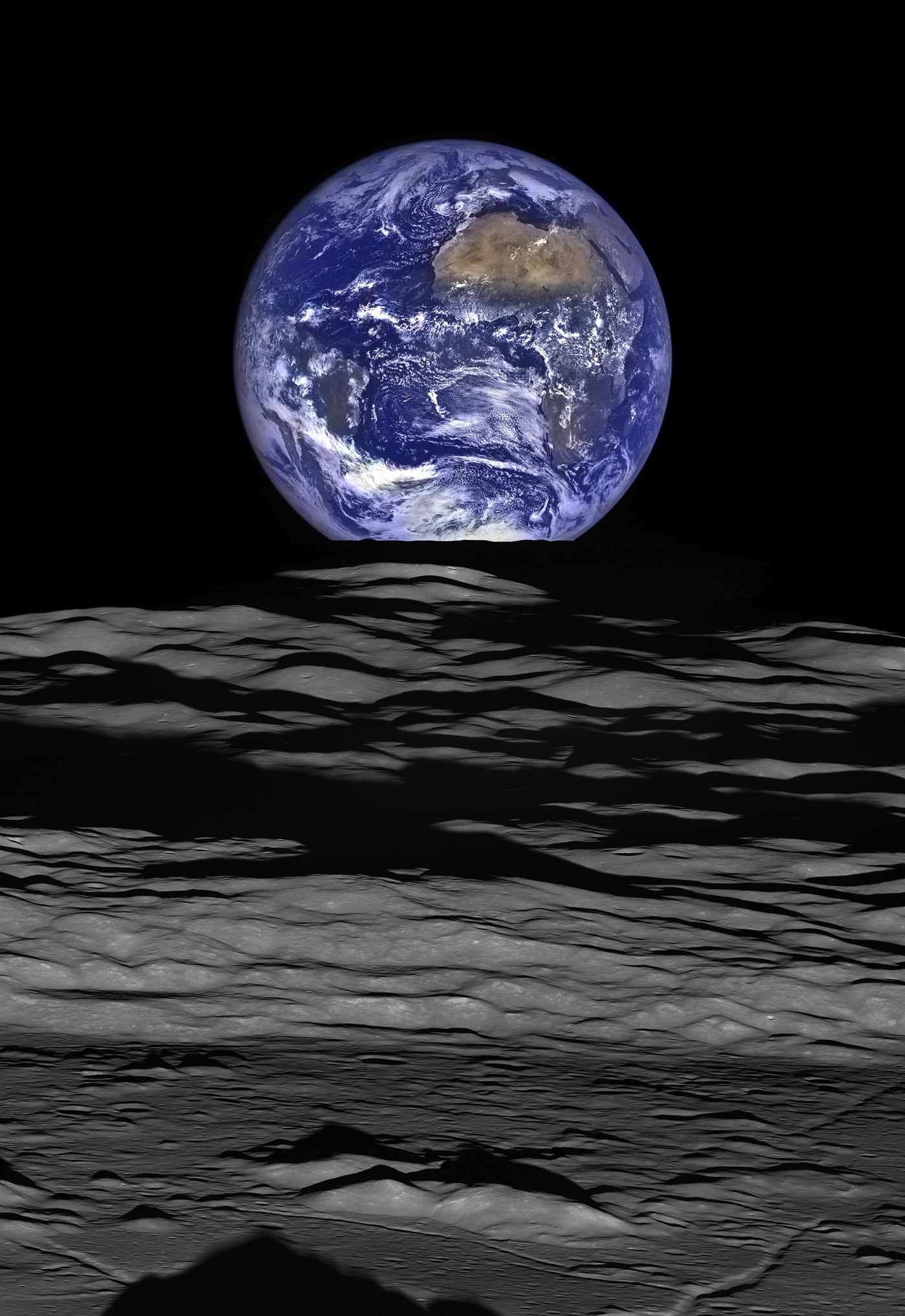
NASA has unveiled a sweeping plan to build a permanent Moon Base, announcing contracts and mission updates at an aerospace show at the Kennedy Space Center in Florida on Saturday, November 7, 2026. Administrator Jared Isaacman told the audience that the base would be built mission by mission, starting with robotic landings and growing into a place where astronauts can live and work. Eight companies were chosen for the next round of commercial Moon deliveries: Blue Origin, Firefly Aerospace, Intuitive Machines, ispace-U.S., Lockheed Martin Space, Northrop Grumman Space Systems, SpaceX and Voyager Technologies. Together they can be paid up to ten billion dollars over ten years to land cargo on the Moon.
What the Evidence Shows
The programme will be built in three phases around the Moon’s South Pole, chosen for its light and for the water ice that may hide in its permanently shadowed craters. The first phase, running to 2029, focuses on gaining access and learning; the second, to 2032, builds and expands; and the third, from 2032 onward, assembles habitats, power and communications for long stays. Around 1.3 billion dollars more will go to launches and transport in space, with further awards for power, energy storage and wireless power on the surface. Early missions include the VIPER rover, due to launch in 2027 to hunt for ice, and a nuclear-powered rover called PROMISE, planned for late 2028. NASA has not yet named a year for the first astronauts to land at the base itself. Reporting and analysis from sources such as NASA track the same developments, and specialists following NASA’s Moon Base programme say the direction is now consistent across independent lines of evidence.
The Wider Context
Funding bodies are watching NASA’s Moon Base programme closely because the work sits at the junction of basic curiosity and practical return. Grant panels increasingly ask for a path from discovery to application, while researchers push back that the most valuable uses of fundamental science are rarely the ones written into the original proposal. The tension is productive when both sides stay honest about timescales.
What Happens Next
The long view on NASA’s Moon Base programme is that fields advance by accumulation rather than by single announcements. This result adds a solid, checkable piece to a structure many teams are building, and its authors have shared their data so the piece can be tested from every side. That is how the picture eventually becomes reliable enough to act on. You can follow related developments in our coverage of science.
It is also worth remembering how quickly the picture in this area has changed before. Positions that looked settled a few years ago have been revised as new data arrived, and the same humility is appropriate now. The strongest coverage of this subject, and the most useful advice, tends to come from sources that update their views openly when the facts move, rather than defending an earlier position long after it has stopped fitting the evidence available.
